Day Tracker: A Visual Design Tool for Productivity
In the fast-paced world of creative work, structure is the bedrock of inspiration. A well-designed Day Tracker and Printable Day Tracker | Digital Download, Printable Day Tracker Best to build self productivity and keep up to date with your work is more than a simple planner—it's a visual system that brings clarity to chaos. For designers, marketers, and creators, managing daily tasks, goals, and personal reflections is crucial for maintaining a sustainable and productive workflow. This printable asset transforms abstract intentions into a tangible, organized format, serving as both a functional tool and a testament to thoughtful graphic design.
The Visual Architecture of an Effective Day Tracker
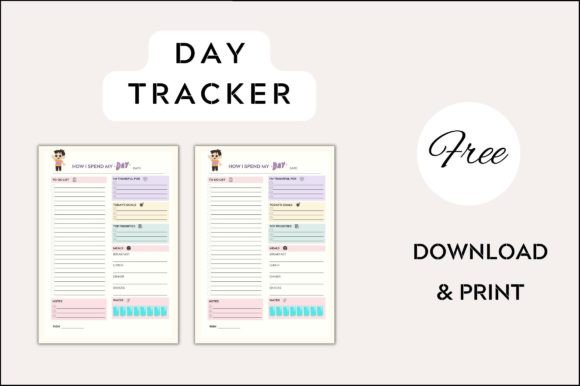
From a design perspective, a high-quality day tracker exemplifies core principles of visual hierarchy and user-centric layout. Its value lies in its ability to present complex information—schedules, priorities, notes—in an immediately scannable and aesthetically pleasing manner. This isn't just about listing tasks; it's about creating a visual communication tool that guides the eye, reduces cognitive load, and encourages consistent use. The structure of sections like "To-do list," "Today's Goals," "Top Priorities," "Meals Tracker," "I'm thankful for Track," and "Personal Notes" demonstrates a thoughtful approach to content organization, each block designed with clear typography and spacing for maximum readability.
The inclusion of multiple color variants, such as the two cute color options mentioned, is a strategic branding choice. Color palette selection directly impacts mood and engagement. A cohesive, modern aesthetic in the tracker's design can make the mundane act of planning feel more intentional and even enjoyable, subtly reinforcing a user's personal or professional brand identity every time they use it.
Practical Applications for Design Professionals
Integrating a structured day tracker into your routine has direct parallels to professional design and project management workflows. Here’s how this creative asset can be applied:
- Project Management: Use the "Top Priorities" section to define the key deliverables for a client's brand identity project or a social media campaign, ensuring critical tasks are front and center.
- Creative Brainstorming: The "Personal Notes" area becomes a dedicated space for capturing design inspiration, typography ideas, or color palette experiments that strike throughout the day.
- Brand Consistency: For freelancers or agency owners, consistently using a well-designed tracker helps internalize the principles of visual hierarchy and clean layout, which translates into better client work.
- Client Presentation Prep: Track daily progress on a web design or packaging design project, using the compiled monthly data to create comprehensive and professional progress reports.
At the end of the month, the accumulated data provides invaluable insights. This isn't just personal data; it's a project retrospective for your own productivity and well-being, highlighting patterns in workflow, creative output, and personal habits that can inform better design processes and time management.
Evaluating Design Assets for Your Workflow
When selecting any creative asset, from a day tracker to a full suite of marketing materials, apply a designer's critical eye. Consider these factors:
- Usability & Readability: Is the layout intuitive? Is there sufficient white space? The typography must be clean and legible, especially for a tool meant to be used daily.
- Scalability & Format: The A4 document standard ensures professional print quality, but also consider if the digital file is optimized for screen use or easy customization.
- Aesthetic Alignment: Does the visual style—its color palette, illustration style, and overall modern aesthetics—resonate with your personal brand or creative sensibility? A tool you find visually appealing is one you'll consistently use.
- Functional Depth: Beyond the surface, does it include sections that genuinely support your goals? A tracker that includes gratitude or meal tracking acknowledges that productivity is holistic, impacting overall well-being and, by extension, creative capacity.
Ultimately, the tools we choose shape our habits and output. A thoughtfully designed Day Tracker is a microcosm of effective visual design: it solves a clear problem, communicates with clarity, and enhances the user's experience. By selecting assets that are both functional and beautifully crafted, you invest not only in your daily productivity but also in the refinement of your own design sensibility, leading to more polished and professional results across all your creative projects.