Habits Tracker: A Design Tool for Visual Consistency
In the dynamic world of graphic design, maintaining consistency is the cornerstone of a strong brand identity and an efficient creative workflow. A well-designed habits tracker serves as a powerful, yet often overlooked, tool for instilling the discipline required to execute projects with precision and visual harmony. By applying the same principles of structure and repetition that define great typography and layout, designers and creators can leverage a printable habits tracker to cultivate routines that elevate their work from good to exceptional.
The Visual Framework of a Habits Tracker
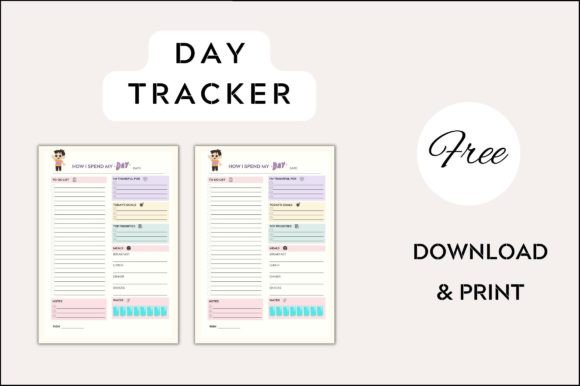
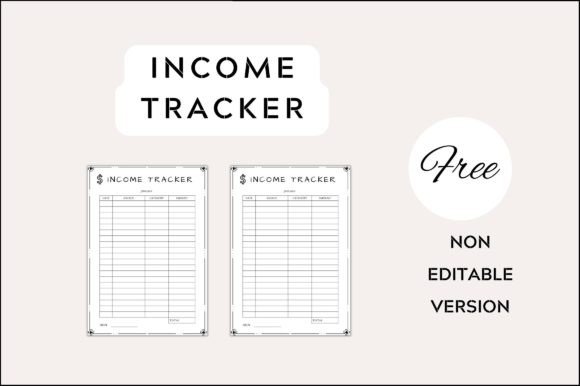
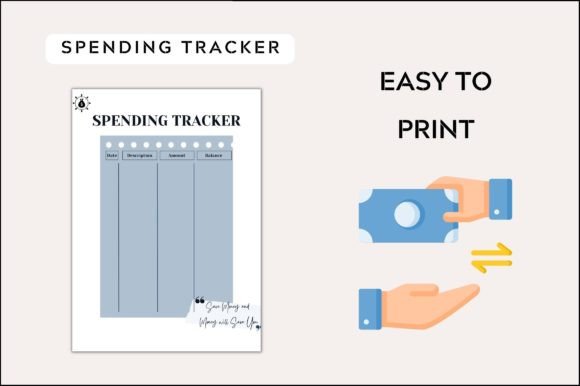
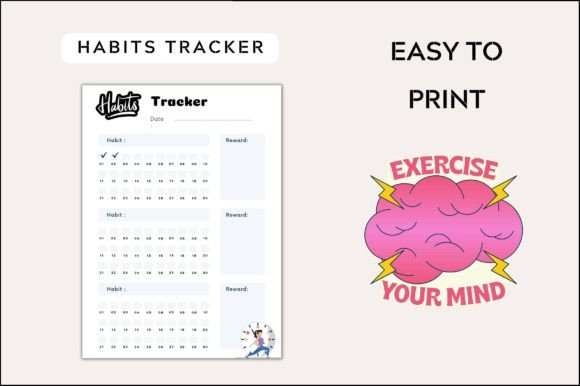
At its core, a habits tracker is a simple visual system—a calendar grid where each day is marked to track progress. This method creates an immediate, visual record of consistency, much like a well-aligned typographic grid provides order to a page. For a designer, this isn't just about personal productivity; it's a practical exercise in visual hierarchy and clear communication. The act of marking an "X" becomes a satisfying micro-interaction that reinforces positive behavior, mirroring how a successful call-to-action in UI design guides a user's eye and encourages engagement.
Practical Applications for Creative Professionals
Integrating a structured tracking system into your routine can directly influence the quality and cohesion of your creative output. Here’s how this simple tool applies across various design disciplines:
- Brand Identity & Logo Design: Consistency is non-negotiable. Use a tracker to ensure daily or weekly review of brand guidelines, color palettes, and logo usage, ensuring every touchpoint aligns with the established identity.
- Marketing & Social Media Graphics: Plan and track content creation schedules. Marking off completed social media posts or marketing assets helps maintain a consistent publishing rhythm, which is crucial for audience engagement and brand recall.
- Website & UI/UX Design: Track user testing sessions, design system updates, or daily design critiques. This habit ensures continuous improvement and adherence to usability principles, leading to a more polished user experience.
- Editorial & Packaging Design: Manage complex projects with multiple components. A tracker can help monitor progress on specific deliverables like page layouts, print proofs, or dieline revisions, ensuring no detail is overlooked in the final presentation.
Choosing and Customizing Your Template
When selecting a printable habits tracker template, consider its design as you would any creative asset. Look for a clean, modern aesthetic with ample white space that won't feel cluttered. The template should be easily customizable—perhaps in a standard A4 document size—to align with your personal or client's visual style. A good template offers flexibility in color variants, allowing you to select a palette that is either calming for personal use or on-brand for a client project.
The true value lies in its simplicity and adaptability. A PDF digital download makes it immediately accessible, ready to be printed and integrated into your workspace. By starting with a pre-built, well-designed template, you save priceless time that can be redirected toward the creative work itself, while the act of customization becomes a small exercise in applying your design skills to a functional tool.
Ultimately, adopting a habits tracker is about more than just organization; it's a commitment to the disciplined processes that underpin outstanding graphic design and visual communication. Whether used for personal development or as a framework for managing client work, this simple tool reinforces the habits of consistency, attention to detail, and visual clarity. In a field where every pixel and point matters, cultivating these habits through a tangible, visual system is a direct investment in the professionalism and impact of your creative projects.